SDG 10 Reducing Inequality
Designing Paths for More Justice Together with Experts of Experience

To us, sustainable development means not only overcoming socioeconomic obstacles, but also consistently involving people in transformation processes who have experienced poverty, marginalisation, or structural discrimination. It also means recognising their knowledge in terms of professional expertise within the meaning of SDG 10: Reduce inequality. A central aspect on this behalf is user participation, especially through collaboration with peers: people who have made specific experiences and can systematically contribute this knowledge as a valuable resource.
Participation at Eye Level
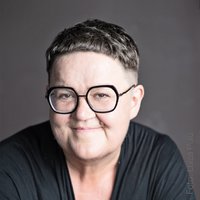
For many years now, Michaela Moser has been concerned with the question: How can social organisations not only involve affected persons, but develop forms of true participation in collaboration with them? Her focus is on peer approaches – after all, experiential knowledge is indispensable when it comes to the further development of social offers and structures.
In research, teaching, and practice, Michaela Moser works on making existing power structures visible, strengthening participation processes, and creating spaces where affected persons are recognised and involved as experts in their own right.
Realising SDG 10 through Participatory Methods
User participation is more than a process of involvement: It means a real redistribution of power and thus a central contribution to SDG 10. By integrating experts of experience, knowledge is created that expands existing professional perspectives, improves decision-making processes, and reduces social inequalities in the long term.
The diversity of this work is demonstrated through selected projects and initiatives:
- SINN – Strengthening Inclusive and Sustainable Neighbourhoods: The project supports the development of inclusive, safe, resilient, and sustainable towns. The focus is on promoting citizen’s health, cohesion, and well-being.
- “Sichtbar Werden” – Dialogue Forum with Official Bodies & Authorities: This initiative brings people who have experienced poverty and marginalisation into direct exchange with representatives of public authorities. The objective is to break down barriers, reduce feelings of shame in contact with government bodies, and incorporate the perspectives of affected persons into decision-making processes in the long term.
- Inclusion of Peers in the Work of the Viennese Assistance to the Homeless: This project examines how formerly homeless persons are integrated into the structures of homeless assistance as peers – in order to systematically use their experiential knowledge and further develop offers in an outcome-oriented manner.
Common Objective: Create Spaces for Real Transformation
All these projects show: It is not just about scientific work but rather about opening up spaces where real societal transformation is made possible – in collaboration with those most affected by inequalities.
About the SDG Topic Series
Within the framework of our SDG topic series, we dedicate ourselves to one of the 17 goals for sustainable development every week. The selected contributions serve as examples to illustrate how USTP – University of Applied Sciences St. Pölten contributes to a sustainable future. In doing so, we highlight diverse issues – from poverty in old age and ‘AI for Green’ to strategic partnerships and networks.