
AI for Health and Care in Europe
Eva Turk from CDHSI attended a high-level meeting on artificial intelligence (AI) in health
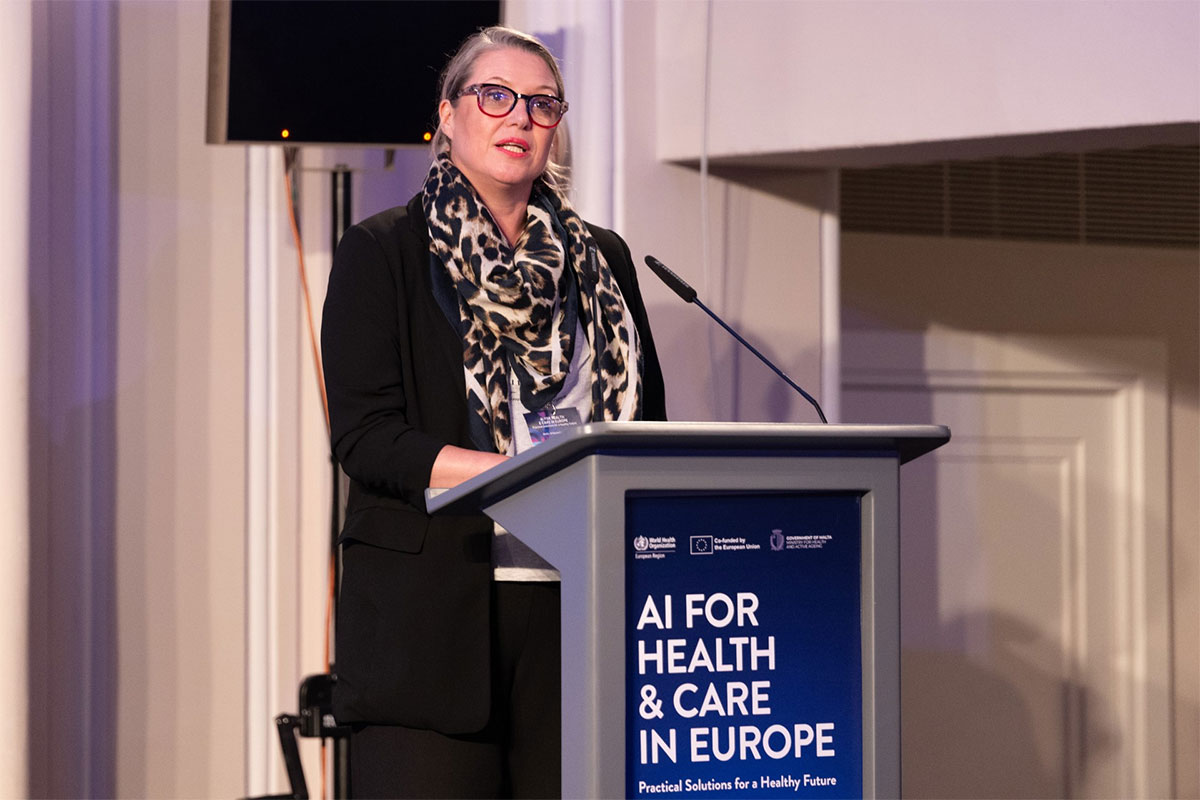
On 19 November 2025, Eva Turk from CDHSI attended a high-level meeting on artificial intelligence (AI) in health, titled “AI for Health and Care in Europe: Practical Solutions for a Healthy Future” co-hosted by the WHO Regional Office for Europe (WHO/Europe) and the Government of Malta.
The event brought together senior government officials, researchers and decision-makers from across the WHO European Region to explore practical approaches for shaping the future of AI for the benefit of nearly 1 billion people.
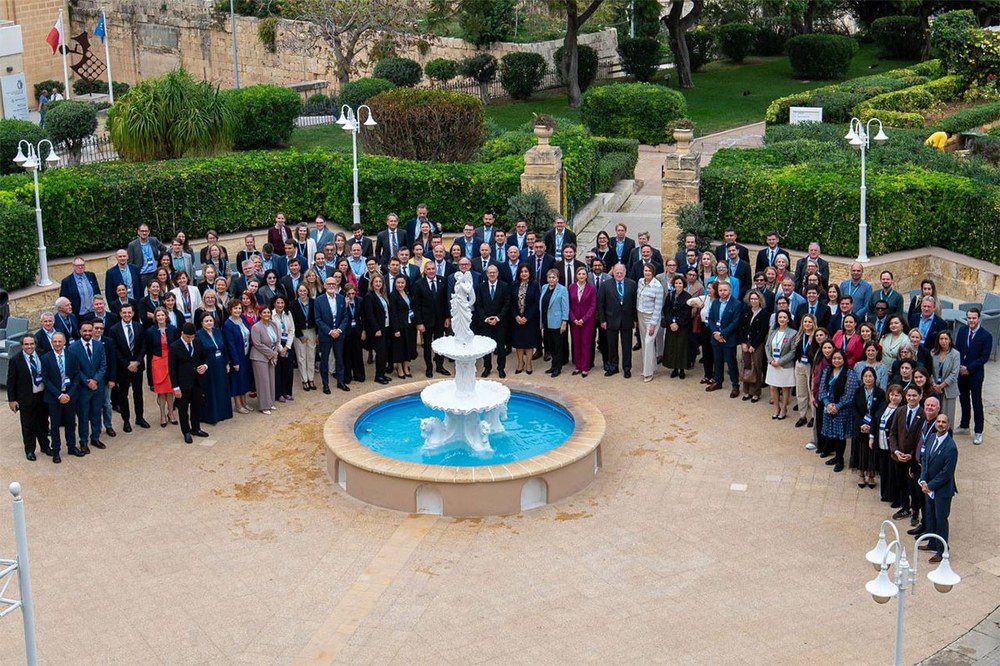
Copyright: WHO Europe
Highlights
- Launch of WHO/Europe’s new regional report on the state of AI in health—the most comprehensive overview to date on leveraging AI ethically and responsibly.
- Ministerial panels on responsible AI, ethics, and regional cooperation.
- Plenary sessions focused on workforce readiness, people-centred primary care, and healthy aging across the life course.
- A shared vision for trusted AI through policy and partnership.
This policy dialogue aimed to strengthen political commitment and facilitate national strategies for the responsible adoption of AI in health systems. Discussions highlighted country-level solutions for sustainable implementation, with a strong focus on workforce readiness, responsible AI for dignity and health across the life course, and primary care. Leaders also explored ways to harness AI to transform health care and ensure financial sustainability of investments.
The meeting builds on the outcomes of the Second WHO Symposium on the Future of Health Systems in a Digital Era (Portugal, 2023), which underscored the importance of open-source principles, collaboration, and transparency in developing generative AI. It reinforced that while AI offers transformative potential, health policy must evolve beyond a disease-driven model to prioritise prevention and well-being.
Strategic Partnership Initiative for Digital Health and Data
The Malta meeting showcased progress within the Strategic Partnership Initiative for Digital Health and Data, which accelerates digital health adoption through collaboration among governments, experts, and organisations. Eva Turk presented the results of the working group on “Bringing Prevention and Care to Home,” which was co-chaired by Donna Henderson, Bogi Eliasen, and herself.
The group developed a framework based on three drivers: Enabling Environment, Infrastructure and Service Transformation, and Innovation and Delivery, Encompassing the 8 Dimensions.
- A strong enabling environment is the foundation for sustainable care and prevention in the home.
Countries need clear policy alignment, sustainable financing, and inclusive governance.
Lessons from Finland, Catalonia, and Scotland show that virtual-care programmes tend to scale successfully when they are embedded in national health strategies with defined roles, funding, and accountability. - Infrastructure is more than technology; it is the wayhow services are re-engineered.
Interoperable systems, reliable broadband, and integration with electronic health records and other subsets of related clinical and operational information allow home data to flow securely into clinical workflows. Without this integration, digital tools risk becoming parallel systems that add burden rather than remove it. - Innovation is where ideas meet evidence. Pilot studies in respiratory care, pregnancy monitoring, and virtual wards show that digital home care can reduce hospital admissions, shorten stays, and boost patient satisfaction. But innovation must be co-designed with patients, caregivers, and professionals to ensure usability and equity from the outset.
In summary the drivers and dimensions provide a structured path to scale safe, equitable, home-based digital care.
Collaboration, Inclusion, and Co-Creation
We at USTP – University of Applied Sciences St. Pölten have had the great opportunity to tap into the collaborations and contribute to exploring how AI can transform health systems into a new model based on prevention, personalisation, prediction, participation, and potential. Through collaboration, inclusion, and co-creation, we can contribute to building the trust needed to harness AI responsibly and effectively.

Dr. Eva Turk , MBA
Senior ResearcherCenter for Digital Health and Social Innovation
