
Rethinking Environmental Communication: Participation Instead of Information
Why do climate change campaigns so often fall flat?
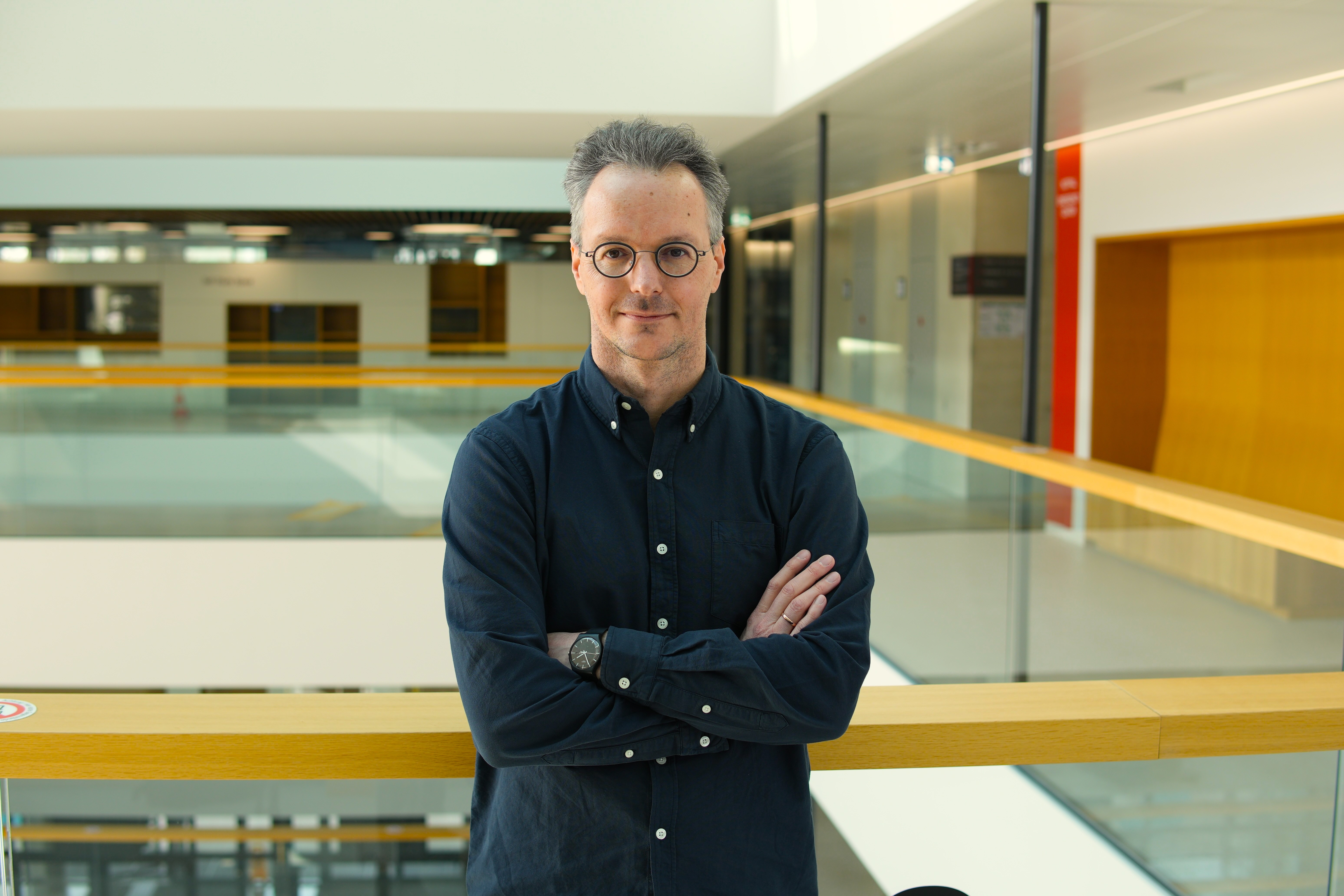
Current research projects at USTP show that facts alone are not enough to bring about lasting ecological behavioral change. Using innovative methods such as “eco-drama workshops,” an interdisciplinary team at the Institute of Creative Media Technologies is now focusing on participation and shifting perspectives.
Everyone is talking about climate change—but how do we actually reach people with this concern? A recent article by APA Science clearly describes the situation: simply conveying facts rarely leads to genuine behavioral change. At the University of Applied Sciences St. Pölten (USTP), intensive research is therefore being conducted on new methods of environmental communication. The goal: moving away from pure information toward participation, shifts in perspective, and concrete experience.
Spreading facts is not enough
Simon Ganahl sums up the central problem: “The approach that one only needs to report the climate facts so that people gradually understand the issue and adapt their behavior has been proven wrong.” Building on the CliMeF research project, he is now working with an interdisciplinary team from the Institute of Creative Media Technologies on the InSituEx research agenda to develop new methods for the participatory mediation of sociotechnical and ecological controversies. The following approaches are being pursued:
- Participatory rather than top-down: People are actively involved in mediation processes, for example, in communities where specific environmental conflicts are being negotiated.
- Enabling shifts in perspective: Through innovative methods such as “ecodrama workshops,” participants adopt unfamiliar roles—from mayors to eagles. The goal here is not consensus or compromise, but mutual understanding of the different positions.
- Tangible rather than abstract: Climate issues are made tangible through creative, artistic, or immersive approaches, rather than merely explained theoretically.
Broad cooperation for innovative communication
To achieve social impact, the USTP relies on broad, diverse collaborations. It is essential that innovative methods for mediating complex controversies find their way into practice. “Large, abstract campaigns often fizzle out. Impact arises where people can connect the issues to their own lived reality,” explains Ganahl. The USTP invites interested parties to learn more about these new approaches and to work together on the future of environmental communication.
Further information:
Mag. Dr. Dr. phil. Simon Ganahl
ResearcherMedia Business Research Group
Institute of Creative\Media/Technologies Department of Media and Digital Technologies
