
Breadcrumbs
- Creative Computing
- Projects
- Mental Descend
Mental Descend
In the context of MediaLab 2025, students developed a serious game that addresses the challenges of living with mental health issues.
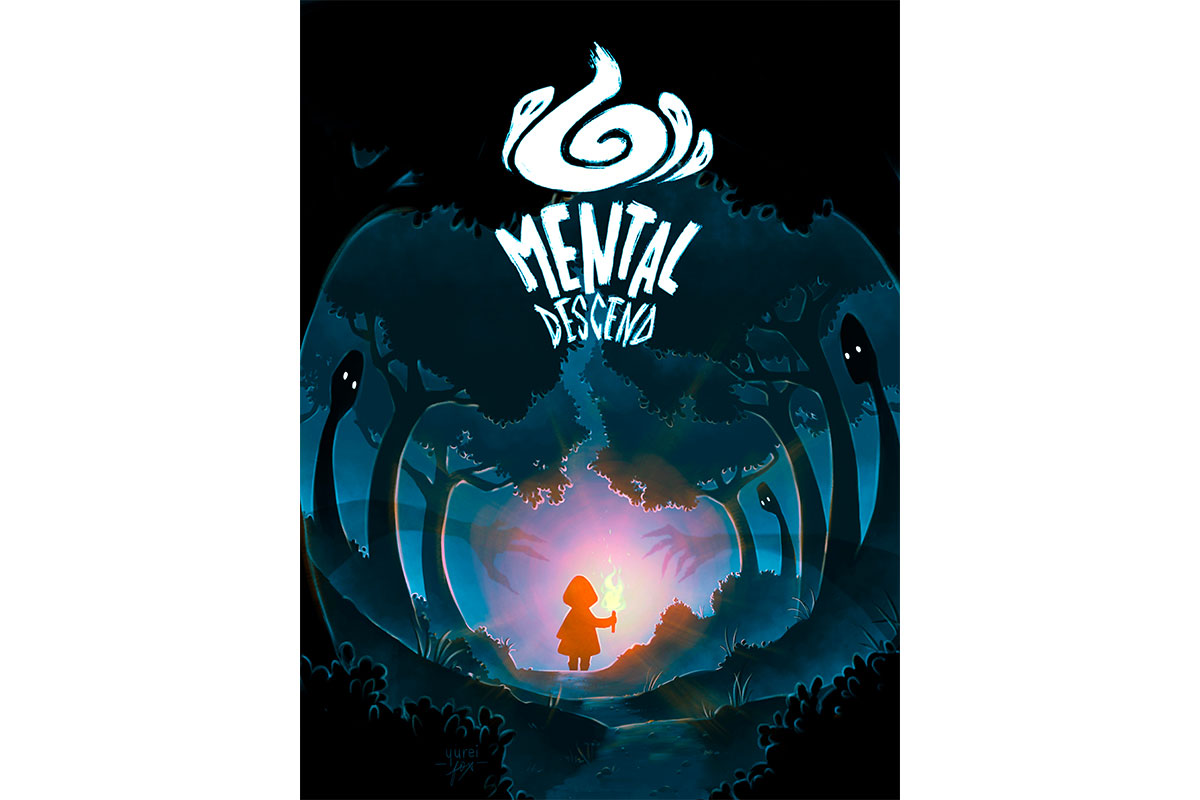
During the summer semester of 2025, students in the Digital Game Production Lab were tasked with with developing a serious game. During the process, they conducted user tests, analysed data, and iteratively improved their game. These tasks were carried out in teams, with each team responsible for managing their own project, workload, and timeline to deliver a serious production-ready game by the end of the semester. Each team was free to choose the game concept and genre. One of the projects focused on creating a serious game that addresses mental health issues.
Objective
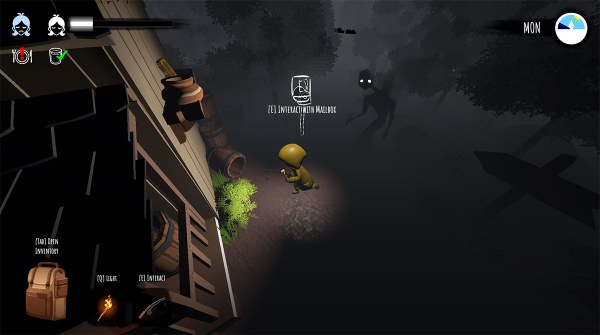
Mental Descend is a 3D serious game that explores mental health challenges through a blend of environmental interaction, item-based gameplay, and exploration. The enemies you face are symbolic representations of real-world mental struggles. As you progress, you engage in various minigames, complete daily routines, and gradually improve your mental wellbeing. The interconnected game world reinforces a sense of realism and immersion—from waking up in a fog-shrouded, isolated home to venturing outside and confronting the weight of your mental burdens. Along the way, players face the temptation to regress into unhealthy habits, with enemies constantly attempting to hinder their progress. The question remains: will you break the cycle and grow into a healthier version of yourself, or fall back into old routines?
The game begins with the player waking up from a nightmare and receiving a letter from their mother, inviting them to a family gathering at the end of the week. However, the player's current mental state prevents them from feeling ready to attend. As the days go by and the player completes small tasks—like gathering firewood, food, and drinking water, the environment begins to transform, mirroring their inner progress. With each step forward, they grow more prepared and optimistic about the upcoming reunion.
The goal of the student project within the lab during the summer semester of 2025 was to develop a playable Gold Master version to be showcased at the project vernissage.
Project steps
At the beginning of the semester, a Game Jam was held to further develop the existing concept and create a preliminary game design. To test the core idea in advance, a paper prototype was created and evaluated with five participants.
During the main development phase, Scrum was used with biweekly sprints, including clearly defined milestone goals set at the start of production to ensure steady progress.
In total, seven participants tested the game during both the alpha and beta phases. Based on their feedback, the Gold Master version was refined and is now fully playable for the upcoming vernissage.
Outcomes
The most important outcome of the project is the ability to present a Gold Master version that includes all key features with minimal bugs and offers a clear outlook on the future of the game. The team will showcase the Gold Master version at the project vernissage.
